We'll walk you through 12 of the most popular types of flooring materials available today. From the timeless elegance of hardwood to the modern resilience of vinyl, you'll get a detailed look at the pros, cons, costs, and best uses for each. By the end of this article, you'll have the confidence and knowledge to make the perfect choice for your space.
Key Takeaways
Here's a quick overview of the 12 flooring types we'll cover in detail:
- Hardwood Flooring: Classic, durable, and adds significant resale value.
- Engineered Wood: Real wood look with better moisture resistance than solid hardwood.
- Laminate Flooring: A budget-friendly, durable alternative that mimics wood or stone.
- Vinyl Flooring: Highly durable, waterproof, and versatile, available in planks, tiles, or sheets.
- Tile Flooring: Extremely durable and water-resistant, perfect for kitchens and bathrooms.
- Carpet Flooring: Soft, comfortable, and provides excellent sound insulation.
- Bamboo Flooring: An eco-friendly, durable option with a unique, modern look.
- Cork Flooring: A sustainable, soft, and naturally insulating material.
- Rubber Flooring: Highly resilient, slip-resistant, and comfortable, great for gyms and playrooms.
- Stone Flooring: Luxurious and incredibly durable, offering a unique, natural beauty.
- Linoleum Flooring: An eco-friendly, resilient option made from natural materials.
- Concrete Flooring: A durable, low-maintenance, and modern industrial-style choice.
12 Popular Flooring Types
Let's dive deep into each material to understand what makes it unique.
1. Solid Hardwood Flooring
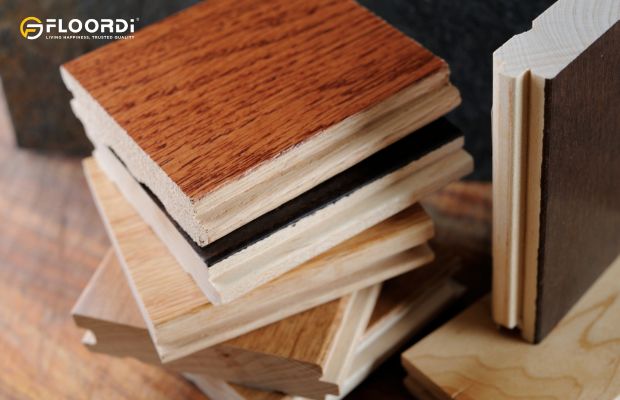
Solid hardwood flooring is milled from a single piece of timber. It's a timeless choice that brings natural warmth and character to any home. Popular species include oak, maple, and cherry.
Pros:
- Increases resale value: Universally desired by homebuyers.
- Longevity: Can last for generations with proper care.
- Can be refinished: Scratches and wear can be sanded down and refinished multiple times, making it look new again.
- Allergen-free: Doesn't trap dust, pollen, or other allergens.
Cons:
- Susceptible to moisture: Not recommended for bathrooms or basements.
- Can scratch/dent: Prone to damage from heavy furniture, high heels, or pet claws.
- Cost: One of the more expensive flooring options.
Cost: Approximately $5 - $15 per square foot, installed.
Best for: Living rooms, dining rooms, bedrooms, and hallways.
2. Engineered Wood Flooring

Engineered wood consists of a thin top layer of real hardwood bonded to a core of high-quality plywood or fiberboard. This construction provides greater stability and resistance to moisture than solid hardwood.
Pros:
- Moisture resistant: More suitable for kitchens, and basements than solid hardwood.
- Real wood look: The top layer is genuine wood, offering authentic beauty.
- Versatile installation: Can be installed over concrete subfloors.
- Cost-Effective: Generally less expensive than solid hardwood.
Cons:
- Limited refinishing: Can only be sanded once or twice, depending on the thickness of the veneer.
- Variable quality: Quality can differ significantly between manufacturers.
Cost: Approximately $4 - $12 per square foot, installed.
Best for: Any room where you want the look of wood but need better performance against humidity, including kitchens and basements.
3. Laminate Flooring

Laminate flooring is a synthetic product composed of multiple layers fused together. The top layer is a high-resolution image of wood, stone, or tile, protected by a durable wear layer.
Pros:
- Highly durable: Extremely resistant to scratches, stains, and fading.
- Affordable: A budget-friendly alternative to hardwood or tile.
- Easy to install: Often features a click-lock system, making it a popular DIY project.
- Low maintenance: Simple to clean and care for.
Cons:
- Cannot be refinished: Deep scratches or damage cannot be repaired; planks must be replaced.
- Susceptible to water damage: While some options are water-resistant, standing water can cause damage.
- Can sound hollow: May produce a hollow sound when walked on without a quality underlayment.
Cost: Approximately $3 - $9 per square foot, installed.
Best for: High-traffic areas, homes with kids and pets, and budget-conscious renovations.
4. Vinyl Flooring

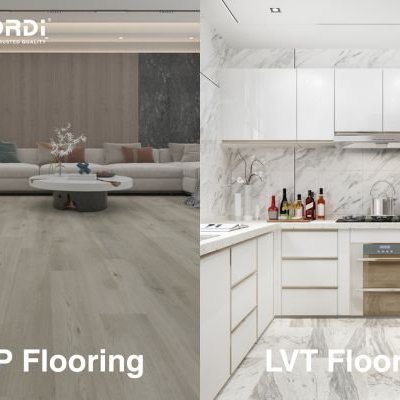
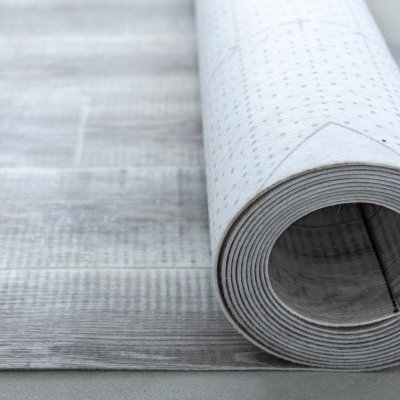
Vinyl is a highly versatile and resilient flooring material. Modern vinyl comes in luxury vinyl tile (LVT) and luxury vinyl plank (LVP) formats that offer incredibly realistic wood and stone looks, as well as sheet vinyl for seamless installations.
Pros:
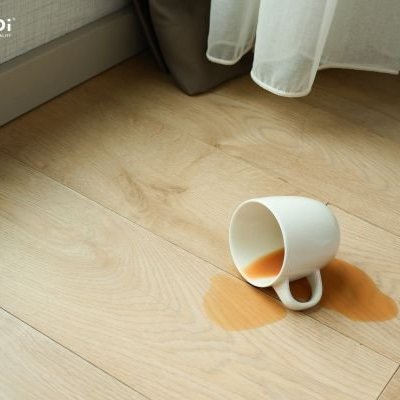
- 100% Waterproof: The perfect choice for bathrooms, kitchens, laundry rooms, and basements.
- Extremely durable: Resistant to scratches, scuffs, and stains.
- Comfortable: Softer and warmer underfoot than tile.
- Easy to maintain: Requires only basic sweeping and mopping.
Cons:
- Difficult to repair: Gouges or deep cuts are hard to fix, especially with sheet vinyl.
- Subfloor imperfections can show: Requires a very smooth subfloor for proper installation.
- Not as eco-friendly: Made from PVC, a synthetic material.
Cost: Approximately $3 - $10 per square foot, installed.
Best for: Any room in the house, especially areas prone to moisture and spills.
5. Tile Flooring
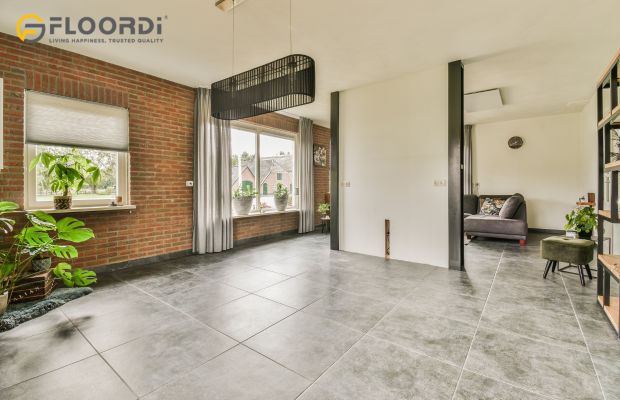
Made from ceramic or porcelain, tile is one of the most durable flooring options available. It offers endless design possibilities with a vast range of sizes, colors, shapes, and patterns.
Pros:
- Supreme durability: Resistant to scratches, water, and heavy traffic.
- Waterproof: Ideal for wet environments.
- Easy maintenance: Spills wipe up easily, and it's simple to keep clean.
- Hypoallergenic: Does not harbor allergens.
Cons:
- Hard and cold underfoot: Can be uncomfortable to stand on for long periods.
- Slippery when wet: Grout lines can help, but glazed tiles can be hazardous.
- Difficult installation: A labor-intensive process that often requires a professional.
- Grout lines need sealing: Grout can stain and requires periodic maintenance.
Cost: Approximately $7 - $20 per square foot, installed.
Best for: Kitchens, bathrooms, entryways, and laundry rooms.
6. Carpet Flooring
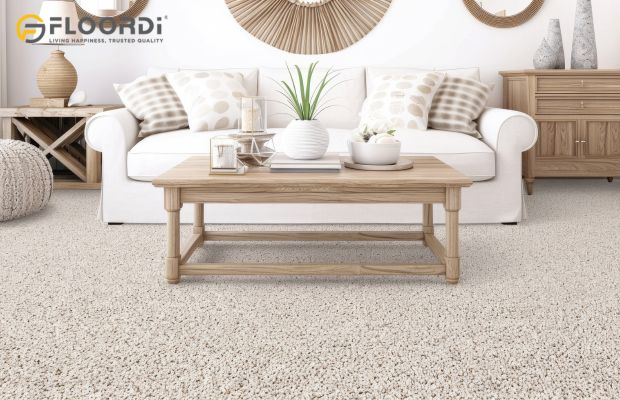
Carpet provides a level of comfort and warmth that no other flooring can match. It's available in a huge variety of colors, textures, and fibers (like nylon, polyester, and wool).
Pros:
- Comfort: Soft and warm underfoot.
- Noise reduction: Absorbs sound, making rooms quieter.
- Non-slip surface: Provides a safe surface, especially for kids and the elderly.
- Cost-effective: Generally one of the most affordable flooring options.
Cons:
- Traps allergens: Can hold dust, pet dander, and other allergens.
- Stains easily: Difficult to clean spills, especially on light-colored carpets.
- Shows wear: Can wear down in high-traffic areas.
Cost: Approximately $3 - $8 per square foot, installed.
Best for: Bedrooms, living rooms, and playrooms where comfort and quiet are priorities.
7. Bamboo Flooring

Technically a grass, bamboo is a rapidly renewable resource that is manufactured into a flooring material harder than many types of hardwood. It offers a clean, contemporary aesthetic.
Pros:
- Eco-friendly: Bamboo is a highly sustainable and renewable resource.
- Durable: Strand-woven bamboo is exceptionally hard and durable. To put its strength into perspective, the World Floor Covering Association (WFCA) notes that high-quality strand-woven bamboo can exceed a 3,000 lbf Janka hardness rating, making it more than twice as hard as classic Red Oak.
- Low maintenance: Easy to clean and maintain.
Cons:
- Prone to scratches: Lower-quality bamboo can scratch easily.
- Susceptible to moisture: Can warp or discolor with excessive humidity or water exposure.
Cost: Approximately $5 - $10 per square foot, installed.
Best for: Living areas, bedrooms, and kitchens in eco-conscious homes.
8. Cork Flooring
Harvested from the bark of the cork oak tree, cork is a sustainable, comfortable, and unique flooring choice. Its natural air pockets make it soft and insulating.
Pros:
- Comfortable: Soft and cushioned underfoot, making it easy on the joints.
- Good insulator: Provides natural thermal and acoustic insulation.
- Eco-friendly & Hypoallergenic: Sustainable, antimicrobial, and resistant to mold.
Cons:
- Can be damaged: Heavy furniture can leave permanent dents.
- Fades in sunlight: Prone to fading with direct exposure to UV light.
- Requires sealing: Needs to be sealed every few years to protect against moisture.
Cost: Approximately $5 - $12 per square foot, installed.
Best for: Kitchens, playrooms, and bedrooms where comfort is key.
9. Rubber Flooring
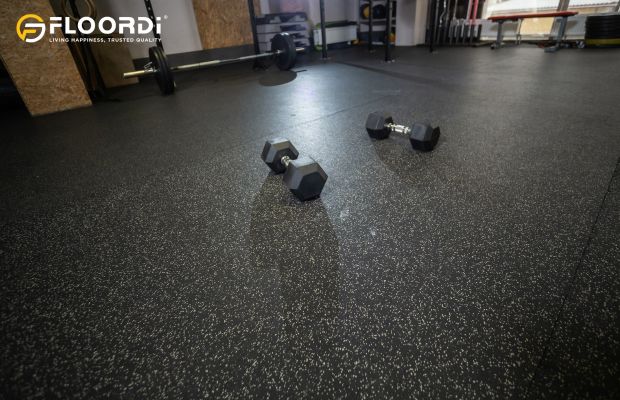
Once limited to commercial gyms, rubber flooring is gaining popularity in homes for its resilience and comfort. It's available in tiles and sheets and in a variety of colors.
Pros:
- Highly durable & Resilient: Shock-absorbent and resistant to damage.
- Comfortable & Slip-resistant: Provides excellent cushioning and grip.
- Water-resistant & Low maintenance: Easy to clean and durable.
Cons:
- Can stain: Susceptible to stains from oil and grease.
- Fewer design options: More functional than decorative.
- Can have a rubber odor: Some products have an initial odor that dissipates over time.
Cost: Approximately $4 - $12 per square foot, installed.
Best for: Home gyms, basements, playrooms, and laundry rooms.
10. Stone Flooring
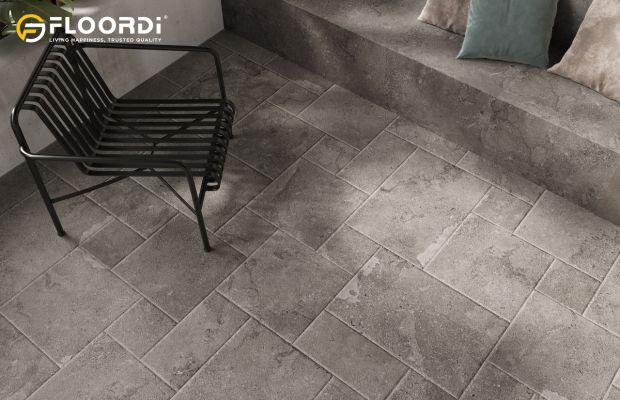
Natural stone flooring, including marble, granite, slate, and travertine, offers unparalleled luxury and durability. Each tile is unique, creating a one-of-a-kind floor.
Pros:
- Incredibly durable: Will last a lifetime with proper care.
- Timeless beauty: Adds a high-end, elegant look to any space.
- Easy to clean: A sealed stone floor is easy to maintain.
Cons:
- Very expensive: One of the most costly flooring options.
- Cold and hard: Unforgiving underfoot.
- Porous: Some stones are porous and require sealing to prevent stains.
Cost: Approximately $10 - $30+ per square foot, installed.
Best for: Entryways, kitchens, and bathrooms in luxury homes.
11. Linoleum Flooring
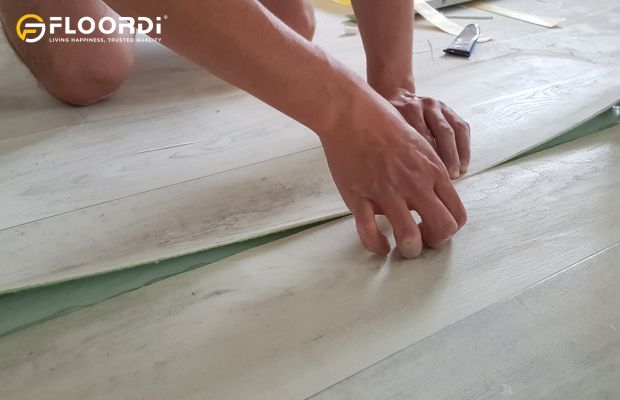
Often confused with vinyl, true linoleum is an eco-friendly product made from natural, renewable materials like linseed oil, cork dust, and wood flour.
Pros:
- Environmentally friendly: Made from natural, biodegradable materials.
- Durable & Water-resistant: Can last for decades and holds up well to water.
- Antimicrobial: Naturally inhibits the growth of bacteria.
Cons:
- Can "amber": May develop a yellowish tint over time, especially lighter colors.
- Requires sealing: Needs a protective finish to prevent stains and damage.
Cost: Approximately $4 - $9 per square foot, installed.
Best for: Kitchens, bathrooms, and family rooms, especially for those seeking a "green" building material.
12. Concrete Flooring
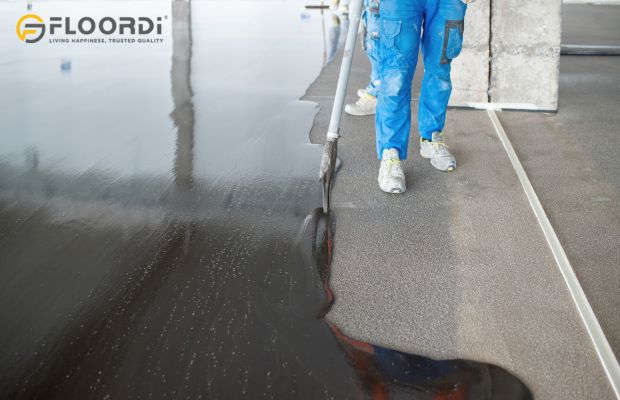
Once hidden under other flooring, concrete is now celebrated for its industrial-chic aesthetic. It can be stained, polished, or stamped to create a wide range of looks.
Pros:
- Extremely durable: Nearly indestructible and very low maintenance.
- Versatile design: Can be customized with colors and textures.
- Long-lasting: Will last the lifetime of the house.
Cons:
- Very hard: Unforgiving to stand on and can cause items to break if dropped.
- Cold: Can feel cold underfoot without radiant heating.
- Prone to cracking: Can develop cracks over time as the foundation settles.
Cost: Approximately $3 - $15 per square foot, depending on the finish.
Best for: Lofts, basements, and homes with a modern or industrial design.
Note on cost information
The cost estimates provided for each flooring type in this guide (e.g., "$5 - $15 per square foot, installed") are based on extensive research and consultations with multiple reputable flooring contractors and suppliers.
These figures aim to reflect the approximate range of material and installation costs in the current market, drawing insights from various industry sources and local service providers. Please note that actual costs can vary significantly based on factors such as:
- Specific material quality and brand: Premium brands or higher-grade materials within a category will naturally command higher prices.
- Geographic location: Costs can differ based on regional labor rates and material availability.
- Project complexity: Intricate layouts, subfloor preparation requirements, and unusual installation challenges can increase labor costs.
- Current market fluctuations: Prices for materials and labor are subject to change.
We recommend obtaining detailed quotes from several local flooring professionals for the most accurate and up-to-date pricing tailored to your specific project needs.
Quick Flooring Comparison
This table helps you compare some of the most popular options at a glance.
|
Flooring Type |
Durability |
Waterproofing |
Cost |
Best For |
|
Solid Hardwood |
High |
Low |
High |
Living Areas, Bedrooms |
|
Engineered Wood |
High |
Medium |
Med-High |
Kitchens, Basements |
|
Laminate |
Very High |
Medium |
Low-Med |
High-Traffic, Budgets |
|
Vinyl (LVP/LVT) |
Very High |
High (Waterproof) |
Low-Med |
Bathrooms, Kitchens, Any Room |
|
Tile |
Very High |
High (Waterproof) |
Med-High |
Bathrooms, Kitchens, Entryways |
|
Carpet |
Medium |
Low |
Low-Med |
Bedrooms, Living Rooms |
|
Bamboo |
High |
Low |
Medium |
Living Areas, Kitchens |
|
Cork |
Medium |
Low (Requires Sealing) |
Medium |
Kitchens, Playrooms, Bedrooms |
|
Rubber |
Very High |
High (Water-Resistant) |
Low-Med |
Home Gyms, Basements, Playrooms |
|
Stone |
Very High |
Medium (Requires Sealing) |
Very High |
Entryways, Kitchens, Luxury Homes |
|
Linoleum |
High |
High (Water-Resistant) |
Low-Med |
Kitchens, Bathrooms, Green Homes |
|
Concrete |
Very High |
High (When Sealed) |
Low-High |
Lofts, Basements, Industrial Style |
Learn more in our flooring comparison:
How to Choose the Right Flooring for Your Space
Consider these factors to narrow down your choices:
- Lifestyle: Do you have kids or pets? You'll want a scratch-resistant and easy-to-clean floor like vinyl or laminate.
- Room Function: For moisture-prone areas like bathrooms and basements, choose a waterproof option like tile or vinyl. For bedrooms, comfort might be the priority, making carpet a great choice. If you prefer a cozier natural look, consider light wood flooring or dark wood tones that bring warmth to bedroom interiors.
- Budget: Determine your total budget, including materials and installation. Laminate and vinyl are great budget-friendly options, while hardwood and stone are premium investments.
- Maintenance: Be realistic about how much time you want to spend on cleaning. Tile and vinyl are very low-maintenance, while hardwood may require more care.
- Installation: Are you planning a DIY project? Click-lock laminate and vinyl planks are the easiest to install yourself. Tile and solid hardwood typically require professional installation.
- Health and Safety: If indoor air quality is a top priority, look for flooring products with a FloorScore® certification. This ensures the material has low emissions of Volatile Organic Compounds (VOCs), contributing to a healthier living environment. (Source: SCS Global Services).
Frequently Asked Questions
- What is the most durable type of flooring?
Porcelain tile is arguably the most durable residential flooring, as it's incredibly hard, scratch-resistant, and waterproof. For a softer feel with similar durability, luxury vinyl plank (LVP) is an excellent choice.
- What floor is best for money?
Laminate and sheet vinyl flooring typically offer the best value, providing good durability and aesthetics at a low price point for both materials and installation.
- Which flooring is easiest to maintain?
Vinyl and tile flooring are the easiest to maintain. They are water-resistant and only require regular sweeping and mopping to keep them looking new.
- What is the easiest flooring to put down?
Luxury vinyl planks (LVP) and laminate flooring with a click-lock system are the easiest for DIY installation. They float over the subfloor and don't require glue or nails.
- What type works best with pets?
Luxury vinyl flooring is often considered the best for pets. It's waterproof (for accidents), highly scratch-resistant, easy to clean, and softer/quieter for paws than laminate.
- What are the different types of soft flooring?
The main types of soft flooring are carpet, cork, and rubber. Carpet is the most traditional soft option, while cork provides a unique cushioned feel, and rubber offers maximum resilience.
- What flooring never goes out of style?
Solid hardwood flooring is a timeless choice that has remained popular for centuries. Its natural beauty complements almost any design style, from traditional to modern, and it adds lasting value to a home.
Ready to Find Your Perfect Floor?
Making a final decision on your new flooring is a significant step, but it doesn't have to be overwhelming. You're now equipped with a detailed understanding of the costs, durability, and styles of the top flooring materials on the market. This knowledge empowers you to confidently choose an option that perfectly aligns with your home's aesthetic, your family's lifestyle, and your budget.
Don't just dream about your new floor, make it a reality. Explore our complete collection of all flooring options to see the latest styles and find your inspiration. When you're ready, contact our flooring experts for a free, no-obligation consultation and quote. We're here to help you bring your vision to life, every step of the way.