Making the wrong choice in the vinyl vs laminate flooring debate can lead to frustration, from water damage in a bathroom to a floor that doesn't stand up to your family's lifestyle. This guide will provide a comprehensive, data-driven comparison to help you choose with confidence.
Key Takeaways
- Water Resistance: Vinyl is 100% waterproof due to its synthetic polymer core. Laminate flooring has a wood-fiber core, making it susceptible to water damage, although there are now "high water-resistant" laminate options that can resist moisture for up to 100 hours. However, they are still not completely waterproof. For bathrooms, basements, and kitchens, vinyl remains the safer choice.
- Durability: It's a nuanced battle. Laminate's hard aluminum oxide top layer offers superior resistance to fine scratches (like pet claws). However, rigid core vinyl (SPC) is far more resistant to dents and impacts from heavy objects.
- Appearance: Laminate traditionally offers more realistic wood looks due to its ability to hold deep, detailed embossing. However, luxury vinyl plank (LVP) technology has advanced significantly and offers excellent visual realism, plus more versatile stone and ceramic looks.
- Cost: The costs largely overlap. According to HomeGuide, laminate typically costs between $4 and $14 per square foot installed, while vinyl ranges from $2 to $16 per square foot installed, with luxury options at the higher end.
- The verdict for pet owners: For homes with pets, luxury vinyl plank (LVP) is the definitive winner due to its 100% waterproof nature (for accidents), superior sound absorption (less clicking from claws), and impact resistance.
1. Quick Comparison: Vinyl Vs Laminate Flooring
For those who need a quick answer, this head-to-head chart breaks down the essential differences between vinyl and laminate flooring.
|
Feature |
Vinyl Flooring |
Laminate Flooring |
Winner |
|
Water Resistance |
Excellent. 100% waterproof synthetic core. |
Poor to Good. Standard versions are vulnerable; "waterproof" versions offer time-limited protection. |
Vinyl |
|
Scratch Resistance |
Good to Excellent. Depends on the wear layer thickness (measured in mils). |
Excellent. Hard aluminum oxide top layer (AC rating) excels against fine scratches. |
Laminate |
|
Dent & Impact Resistance |
Excellent (SPC Core). Stone-plastic composite core is highly resistant to dents. |
Fair to Good. HDF wood-fiber core is more prone to denting. |
Vinyl (SPC) |
|
Aesthetic Realism |
Good to Excellent. LVP has improved dramatically. |
Excellent. Often considered more realistic for wood looks due to deeper embossing. |
Laminate |
|
Comfort & Sound |
Good. Softer and quieter underfoot. |
Fair. Can feel hard and produce a hollow sound without a quality underlayment. |
Vinyl |
|
DIY Installation |
Excellent. Easier for novices; can be cut with a utility knife. |
Good. Requires a power saw and a very level subfloor. |
Vinyl |
|
Maintenance |
Excellent. Fully waterproof surface allows for wet mopping. |
Good. Requires care to avoid water damage; use only a damp mop. |
Vinyl |
|
Cost |
Budget to Premium ($2 - $16/sq ft installed). |
Budget to Mid-Range ($4 - $14/sq ft installed). |
Laminate |
|
Health & Eco-Impact |
Poor. PVC is a petroleum-based product. |
Fair. Wood-based core is more sustainable, but both have VOC concerns. |
Laminate |
2. Detailed Breakdown: Vinyl Vs Laminate Flooring
Now, let's dive deeper into the core differences that define these two popular flooring options. Understanding the "why" behind their performance will empower you to make the best choice.
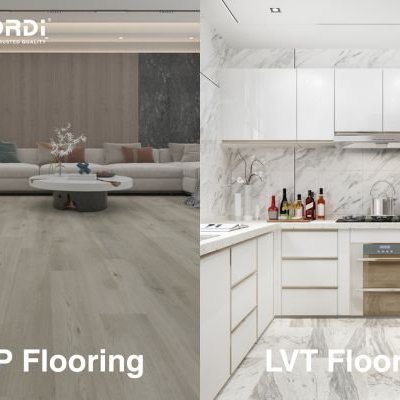
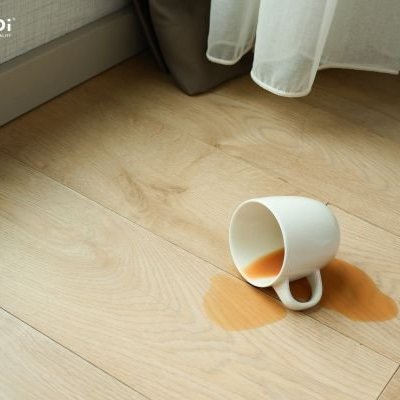
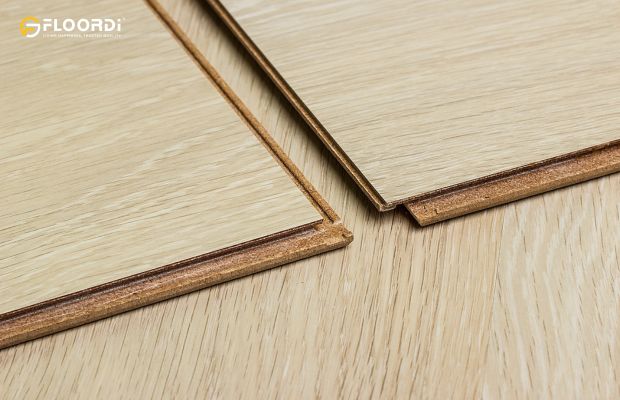
Example for Vinyl looring:

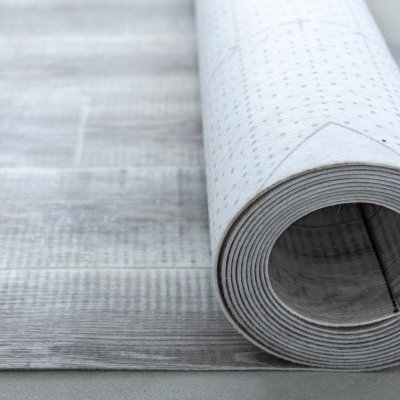
Example for Laminate flooring:
Durability: A Tale Of Two Strengths
When discussing the difference between vinyl and laminate flooring, durability is a top concern. The winner depends on the type of wear and tear your floor will face.
- Scratch and Abrasion Resistance: Laminate's primary defense is its incredibly hard aluminum oxide top layer. This gives it a distinct advantage against fine, abrasive scratches from pet claws or dirt. This toughness is measured by an Abrasion Class (AC) rating, from AC1 (light residential use) to AC5 (heavy commercial use). A laminate with an AC4 or AC5 rating, like those offered by brands such as AquaGuard, is exceptionally tough against surface wear.
- Impact and Dent Resistance: This is where vinyl, specifically rigid core vinyl, shines. Laminate's high-density fiberboard (HDF) core can be dented by heavy furniture or a dropped object. In contrast, Stone-Plastic Composite (SPC) vinyl has a core made from a limestone and polymer blend, making it extremely dense and resistant to dents. This is why brands like Proximity Mills focus on SPC cores for superior performance in high-traffic areas.
Verdict: For resistance to fine scratches, choose a high-AC rated laminate. For resistance to dents from heavy objects, choose SPC rigid core vinyl.
Water Resistance: The Decisive Factor
This is the most critical difference and the easiest to declare a winner.
- Vinyl flooring is 100% waterproof. Its core is made of synthetic materials (PVC) that do not absorb water. You can fully submerge a vinyl plank, dry it off, and it will be completely undamaged. This makes it the only suitable choice of the two for full bathrooms, basements, and laundry rooms.
- Laminate flooring is not inherently waterproof. Its HDF core is made of wood fibers that will swell and warp if exposed to significant moisture, causing permanent damage. In recent years, brands like Pergo (with WetProtect™) and Mohawk (with RevWood) have introduced "waterproof laminate" products. These use special sealants and locking systems to prevent water from reaching the core for a specific period (e.g., 24-72 hours). While a great improvement, this is a risk-mitigation strategy, not an inherent property. In a flood, the laminate would be a total loss, while the vinyl would likely be salvageable.
Verdict: For any area with a risk of spills, humidity, or flooding, vinyl is the clear and safer choice.

Appearance And Realism
Both materials use a decorative film layer to mimic natural wood or stone. The difference comes down to texture.
- Laminate has long been the champion of wood-look realism. Its rigid HDF core allows for a process called Embossed-in-Register (EIR), where the surface texture is pressed to perfectly match the visual grain pattern underneath. This creates a convincing 3D effect you can see and feel.
- Luxury Vinyl Plank (LVP) has significantly narrowed the gap. The development of rigid cores (such as SPC and WPC) provides a more stable base for embossing, allowing the application of EIR (Embossed in Register) technology on vinyl surfaces. However, vinyl surfaces tend to look better with stone, slate, and ceramic tile appearances, while laminate remains the top choice for realistic wood grain finishes.

Verdict: For the most authentic wood look and feel, high-quality laminate with EIR technology often has a slight edge. For overall design versatility, including stone and tile looks, vinyl is superior.
Installation Method
Both laminate and vinyl plank are popular DIY options thanks to their click-lock installation systems. However, one is noticeably easier for beginners.
- Vinyl is the more DIY-friendly option. Planks can be cut simply by scoring them with a utility knife and snapping them. This eliminates the need for power saws and reduces dust and noise.
- Laminate flooring requires the use of power tools (such as a miter saw or circular saw) for cutting, and the installation process typically generates a significant amount of dust. Therefore, strict safety measures, including proper dust extraction and protective shielding, are necessary to protect health.
Verdict: For the easiest DIY installation, choose vinyl.
Maintenance & Cleaning
Here again, water resistance is the key differentiator.
- Vinyl's waterproof surface makes it incredibly easy to clean. You can safely use a wet mop or even a steam mop without worrying about damaging the floor.
- Laminate requires more care. You should only use dry methods (sweeping, vacuuming) or a slightly damp mop. Spills must be wiped up immediately to prevent moisture from seeping into the seams and damaging the wood-fiber core.
Verdict: For the lowest-maintenance and most worry-free cleaning, vinyl is the winner.
Cost
The cost of vinyl vs laminate flooring is a critical factor, and while prices overlap, understanding the details reveals where the value lies. To provide a trustworthy and transparent overview, we've consulted data from reputable home improvement cost aggregators like HomeGuide, which is corroborated by market analysis of leading brands.
- Laminate Flooring: Generally ranges from $4 to $14 per square foot, including installation. The material cost for quality laminate from top brands like Pergo or Mohawk often falls between $2.39 and $4.50 per square foot. It tends to be a more affordable option for achieving a high-quality wood look in dry areas.
- Vinyl Flooring: Typically costs between $2 and $16 per square foot installed. The price varies dramatically based on the core technology and wear layer. For example, premium luxury vinyl (LVP/LVT) with a thick wear layer and an SPC core from brands like COREtec can reach up to $9.00 per square foot for the material alone, placing it at the higher end of the spectrum.
Verdict: While laminate often offers a slight cost advantage for comparable quality, the price ranges are highly dependent on the product's specific features (e.g., SPC core, wear layer thickness, AC rating). Premium products in both categories are priced similarly, so the best value depends on matching the floor's features to your specific needs.
3. Which One Should You Choose? A Practical Guide
The best floor for you depends entirely on your lifestyle, budget, and where you plan to install it.
Choose VINYL if:
- You are installing it in a kitchen, bathroom, basement, or laundry room, living room, or home office. Its 100% waterproof nature is non-negotiable in these areas.
- You have pets or young children. The peace of mind against accidents, superior dent resistance, and quieter surface make it the ideal choice.
- You want the easiest possible DIY installation.
- Low-maintenance cleaning is a top priority.
Choose LAMINATE if:
- You are installing it in a dry area like a bedroom, living room, or home office.
- Your primary goal is to achieve the most realistic wood look and feel possible.
- You are on a tighter budget but still want a high-quality look.
- Your main durability concern is fine scratches rather than heavy impacts.
4. Top Brands In The Industry
When shopping, you'll encounter several key brands known for quality and innovation.
Top Vinyl Brands:
- Look for names like Avolis (known for curated collections that blend sophisticated design with high performance).
- Shaw Floors (with their durable Floorte line).
- COREtec (pioneers of the WPC core).
- Proximity Mills (known for healthy, FloorScore certified SPC floors), and Mannington (with their stylish Adura collection).
Top Laminate Brands:
- Leading brands include Pergo (the inventor of laminate, now with WetProtect™ technology).
- Mohawk (with their waterproof RevWood line).
- Quick-Step (known for easy installation), and Mannington (offering their SpillShield Plus waterproof system).
5. Frequently Asked Questions (FAQs)
- Which looks more realistic, vinyl or laminate flooring?
Laminate flooring offers a more realistic wood appearance thanks to embossed surface technology, delivering high authenticity in wood grain textures, while premium LVP has also made significant advancements in replicating stone and tile surfaces.
- Is vinyl or laminate better for pets?
Vinyl is the preferred choice for homes with pets, thanks to its 100% waterproof construction that ensures easy cleaning. Additionally, its high resistance to dents and impacts offers a clear advantage over laminate flooring.
- What lasts longer, vinyl or laminate?
With proper maintenance and usage, both laminate and vinyl flooring can have a long lifespan—typically ranging from 10 to 25 years depending on product quality, the thickness of the wear layer (for vinyl), or the AC rating (for laminate).
- Does vinyl scratch easier than laminate?
Yes, generally speaking. The hard aluminum oxide surface of laminate flooring provides better resistance to scratches and wear. However, vinyl flooring offers greater resistance to dents caused by heavy objects compared to laminate.
6. Ready to Make Your Choice?
The debate between vinyl vs laminate flooring is all about trade-offs. By understanding the core strengths of each material, you can confidently select a floor that not only looks beautiful but also performs perfectly for your needs.
Ready to explore your options? Contact a Floordi expert for a personalized consultation