Vinyl flooring is one of today's most popular and versatile flooring choices. But with a market full of terms like LVP, LVT, SPC, and 'wear layer,' understanding your options can feel overwhelming. What is vinyl flooring, and which type is right for you? This complete review breaks down everything you need to know from materials and types to costs and pros and cons so you can choose with confidence.
Key takeaways
- What it is: Vinyl flooring is a durable, water-resistant, synthetic flooring made primarily from polyvinyl chloride (PVC). It's known for its design versatility and resilience.
- Main types: The most popular types are Luxury Vinyl Plank (LVP), which mimics wood; Luxury Vinyl Tile (LVT), which mimics stone or ceramic; and Sheet Vinyl, which offers a seamless, budget-friendly surface.
- Core is key: The durability of vinyl planks and tiles is largely determined by their core. SPC (Stone Plastic Composite) cores are ultra-durable and dent-resistant, while WPC (Wood Plastic Composite) cores are softer and quieter underfoot.
- Waterproof vs. Water-Resistant: The vinyl material itself is 100% waterproof. However, a successful "waterproof" installation depends on preventing water from seeping through the seams to the subfloor below.
- Cost: Material costs range from $0.50 to $7.00+ per square foot, depending on the type and quality. Installation adds $1.00 to $7.00 per square foot.
- Critical Factor: The single most important factor for a long-lasting vinyl floor is a perfectly flat and smooth subfloor.
What is Vinyl Flooring?
At its core, vinyl flooring is a type of resilient flooring, meaning it has a certain degree of elasticity. It can "give" slightly underfoot, making it more comfortable to stand on for long periods compared to rigid materials like ceramic tile or stone.
First gaining popularity after World War II, modern vinyl has evolved far beyond the patterned sheets you might remember from your grandmother's kitchen. Thanks to incredible advances in manufacturing, today's vinyl can realistically mimic the look and texture of high-end natural materials like hardwood and stone, all while offering superior durability and water resistance.

What is Vinyl Flooring made of?
The secret to vinyl's performance lies in its layered construction and chemical composition. While the exact formula varies by product, most vinyl flooring is built from a few key ingredients:
- Polyvinyl Chloride (PVC) Resin: This is the foundation of vinyl flooring. PVC is a synthetic plastic polymer that is durable, moisture-resistant, and highly versatile.
- Plasticizers: In its raw form, PVC is rigid. Plasticizers are added to make the flooring flexible and resilient. Modern, high-quality vinyl often uses non-phthalate plasticizers to meet stringent health and safety standards.
- Fillers: Finely ground limestone (calcium carbonate) is a common filler. It adds bulk and density to the floor, improving its stability and resistance to dents. In SPC flooring, limestone is the primary component of the core.
- Pigments: Pigments are used to create the vast array of colors and patterns available.
- Fiberglass: Many vinyl products include a fiberglass layer, which provides crucial dimensional stability. This prevents the flooring from expanding, contracting, or curling with changes in temperature and humidity.
These materials are combined and formed into the final product through a complex manufacturing process, which differs depending on the type of vinyl.
Types of Vinyl Flooring
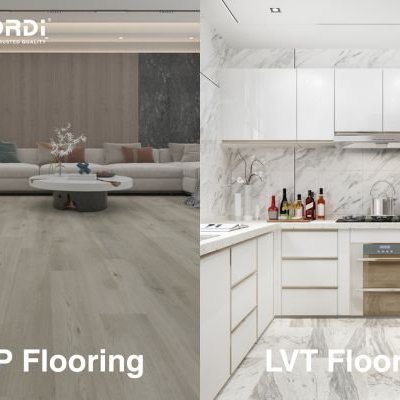
Vinyl flooring primarily comes in three formats: Luxury Vinyl Plank (LVP), Luxury Vinyl Tile (LVT), and Sheet Vinyl.
Luxury Vinyl Plank (LVP)

As the name suggests, LVP flooring comes in long planks designed to replicate the look of natural hardwood. It uses high-definition photographic layers to capture the authentic grain, knots, and color variations of wood species like oak, maple, and hickory. Many premium LVP products also feature "Embossed-in-Register" (EIR) texturing, where the surface texture perfectly matches the visual pattern of the wood grain, creating an incredibly realistic look and feel.
LVP is thicker and more rigid than sheet vinyl, making it exceptionally durable. It's typically installed as a "floating floor" using a click-lock system.
Luxury Vinyl Tile (LVT)

LVT shares the same durable, multi-layered construction as LVP but comes in tile formats (squares or rectangles). It's designed to emulate the appearance of natural stone like marble, slate, and travertine, or porcelain and ceramic tiles.
The major advantage of LVT over traditional tile is comfort and convenience. It's warmer and softer underfoot, won't crack if something heavy is dropped on it, and doesn't require messy grout for installation, which also means no grout lines to clean or seal.
Sheet Vinyl
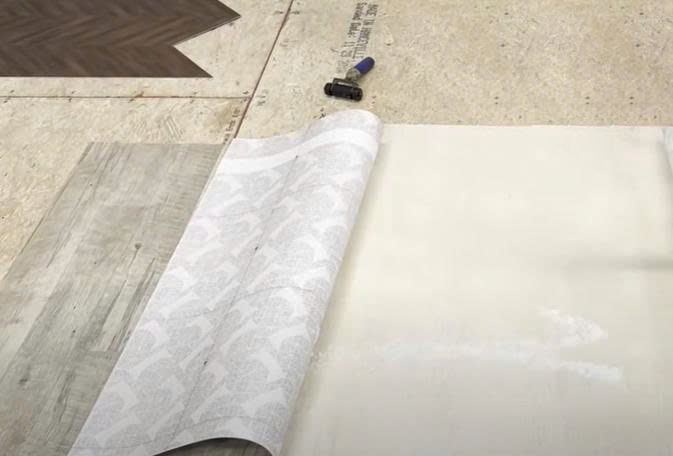
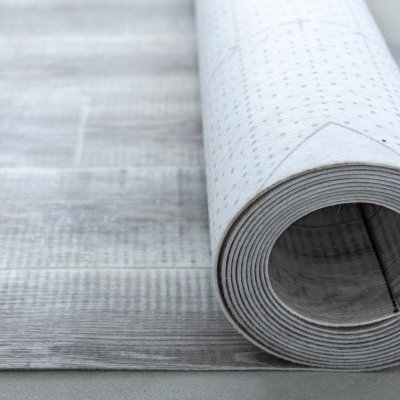
Sheet vinyl comes in large, flexible rolls (typically 6 or 12 feet wide). Its biggest advantage is its ability to be installed with few or no seams in most rooms. This makes it an incredibly water-resistant surface, ideal for bathrooms and laundry rooms.
While historically seen as a budget option, modern sheet vinyl now features the same realistic wood and stone designs as LVP and LVT. Though it's softer and less rigid than luxury vinyl, it remains an excellent choice for those prioritizing a seamless, waterproof surface on a budget.
Comparative Analysis
To help you decide, here’s a quick comparison of the three main types of vinyl flooring:
|
Attribute |
Luxury Vinyl Plank (LVP) |
Luxury Vinyl Tile (LVT) |
Sheet Vinyl |
|
Primary aesthetic |
Mimics natural hardwood |
Mimics natural stone or ceramic tile |
Can mimic wood, stone, or have decorative patterns |
|
Format |
Long, narrow planks |
Square or rectangular tiles |
Large, flexible rolls |
|
Installation |
Click-lock floating or glue-down |
Click-lock floating or glue-down |
Full glue-down or loose-lay |
|
Seams |
Seams between every plank |
Seams between every tile (no grout) |
Few or no seams in most rooms |
|
Durability |
Highly durable, especially SPC core variants |
Similar rigidity and durability to LVP |
Softer, more prone to damage from sharp objects |
|
Cost |
Mid-to-high price range |
Mid-to-high price range |
Most budget-friendly option |
|
Best for |
Achieving a wood look in any room, including basements and kitchens. |
Achieving a tile look without the coldness, cost, or installation complexity. |
Bathrooms and laundry rooms where a seamless, waterproof surface is key. |
The Pros and Cons of Vinyl Flooring
Like any flooring material, vinyl has a unique set of advantages and disadvantages.
Pros:
- Exceptional durability: High-quality vinyl is built to last, resisting scratches, scuffs, and stains.
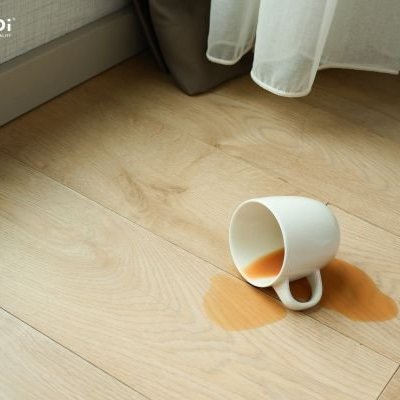
- Water-resistant: Its synthetic composition makes it an ideal choice for moisture-prone areas.
- Cost-effective: Vinyl generally offers the look of high-end materials at a more affordable price point.
- Low maintenance: Simple sweeping and occasional damp mopping are all that's needed to keep it looking great.
- Design versatility: The design possibilities are nearly endless, from rustic wood to modern concrete looks.
- Comfort underfoot: It's softer and warmer than tile or stone.
Cons:
- Difficult to repair: While durable, damage can be hard to fix. A damaged plank can be replaced, but it can be a complex process. A tear in sheet vinyl is nearly impossible to repair seamlessly.
- Susceptible to fading: Like many flooring materials, vinyl can fade over time with prolonged exposure to intense, direct sunlight.
- Environmental concerns: As a PVC-based product, its environmental lifecycle is a consideration. However, many reputable manufacturers, including Floordi, offer products with FloorScore® certification, ensuring they meet strict indoor air quality standards and have low VOC (volatile organic compound) emissions.
How much does Vinyl Flooring cost?
The cost of vinyl flooring can vary significantly based on its type, quality, and thickness. Here’s a general breakdown based on market data from sources like Forbes and Home Depot.
Material cost per square foot
- Sheet Vinyl: $0.50 - $5.00
- Luxury Vinyl Tile (LVT): $1.00 - $6.00
- Luxury Vinyl Plank (LVP): $1.00 - $7.00+
A premium sheet vinyl can easily cost more than an entry-level LVP, so it's more important to compare specifications than just the product type.
Installation and labor costs
Professional installation typically adds $1.00 to $7.00 per square foot to the total project cost. The final price depends on the installation method (click-lock vs. glue-down) and the condition of your subfloor.
Ancillary costs
Remember to budget for these additional expenses:
- Subfloor preparation: This is the biggest variable. Leveling a subfloor can add significant cost.
- Removal of old flooring: Tearing out and disposing of old carpet or tile will be an extra charge.
- Underlayment: If your chosen vinyl doesn't have a pre-attached pad, you'll need to purchase it separately.
- Trim and transitions: Baseboards and transition strips are needed to finish the job professionally.
Where does Vinyl Flooring work best in your home?
Thanks to its versatility, vinyl flooring is a great choice for almost any room. However, it truly shines in specific areas:
- Moisture-prone areas: Its water resistance makes it the top choice for kitchens, bathrooms, laundry rooms, and basements.
- High-traffic zones: The durability of LVP and LVT makes them perfect for entryways, hallways, and living rooms, especially in homes with kids and pets.

A glimpse into top Vinyl Flooring brands
The market is full of excellent brands. At Floordi, we pride ourselves on curating the best options for our customers. Here are a few top names in the industry:
- Avolis: A premier brand in luxury vinyl flooring, combining cutting-edge SPC core technology with stunning, realistic Embossed-in-Register designs for unparalleled beauty and durability.
- Shaw Floors: A major industry player, Shaw's Floorté line is known for its durability and wide selection of styles.
- COREtec: Often credited with pioneering the waterproof WPC core, COREtec is a premium brand known for comfort and its attached cork underlayment.
- Mannington: A long-standing brand offering a diverse portfolio under its ADURA® line, focusing on performance coatings.
How to install Vinyl Flooring (Overview)
While we always recommend a professional for the best results, here’s a brief overview of the installation process.
- Subfloor preparation (The most important step!): The subfloor must be perfectly clean, dry, and flat. Any dips must be filled with a leveling compound, and high spots must be sanded down.
- Acclimation: Some products need to acclimate to the room's temperature and humidity for 48 hours before installation, though many modern rigid core floors do not. Always check the manufacturer's instructions.
- Installation:
- For click-lock LVP/LVT, planks are snapped together, leaving a small expansion gap around the perimeter of the room.
- For glue-down vinyl, adhesive is spread on the subfloor, and the planks or sheets are carefully laid into it. The floor is then rolled with a heavy roller to ensure a solid bond.
- Finishing: Once the floor is laid, baseboards and transition strips are installed to complete the look.
Frequently Asked Questions (FAQs)
- Is vinyl flooring waterproof?
This is a key question with a nuanced answer. The vinyl material itself, the planks, tiles, or sheet is 100% waterproof. You can submerge an LVP plank in water, and it will not be damaged.
However, an entire installation is only as waterproof as its seams. While the tight-locking systems of modern LVP and LVT are highly water-resistant, it's still possible for large amounts of water to seep through the seams or around the edges of the room, potentially damaging the wooden subfloor underneath. Sheet vinyl, with its lack of seams, offers the best topical waterproof protection.
In contrast, traditional laminate flooring has a wood-fiber core, making it highly susceptible to water damage. While some newer laminates are marketed as "water-resistant," they are not truly waterproof like vinyl. For bathrooms and basements, vinyl remains the safer choice.
- How long do vinyl floors last?
With proper installation and care, a quality vinyl floor can last 10 to 25 years or more. The lifespan depends directly on the quality of the product, particularly the thickness of its wear layer.
- How durable is vinyl flooring?
Modern vinyl flooring is extremely durable. Its durability is a function of three things:
- Overall thickness: Thicker planks (5mm or more) feel sturdier and are more forgiving of minor subfloor imperfections.
- Wear layer: This is the top protective coating, measured in mils. For most homes, a 20 mil wear layer is recommended for excellent scratch and scuff resistance.
- Core type: SPC (Stone plastic composite) cores are the most durable, offering superior resistance to dents from heavy furniture or dropped objects.
- What is a good thickness for vinyl flooring?
The best thickness depends on the application. Use this table as a guide:
|
Application Area |
Typical foot traffic |
Recommended overall thickness |
Recommended wear layer |
|
Bedroom / Guest Room |
Low |
4 mm - 5 mm |
12 mil |
|
Living Room / Home Office |
Moderate |
5 mm - 6 mm |
20 mil |
|
Kitchen / Hallway / Entryway |
High |
6 mm+ |
20 mil+ |
|
Basement |
Variable |
6 mm+ |
20 mil+ |
- What is the best vinyl flooring?
The "best" vinyl flooring is the one that best meets the specific needs of your space and budget. There is no single best product for everyone. To make the best choice, ask yourself:
- How much foot traffic will the room get? (This determines your wear layer).
- Do I need maximum dent resistance for heavy furniture? (This points to an SPC core).
- Is underfoot comfort and quietness a priority? (A WPC core might be better).
- What is my budget?
By balancing these factors, you can select a floor that will perform beautifully for years to come.
Ready to find your perfect floor?
Vinyl flooring offers an incredible combination of style, durability, and value. Now that you're armed with the knowledge of what it is and how to choose it, you're ready to take the next step.
The experts at Floordi are here to help. We can guide you through our curated collections to find a floor that you'll love for a lifetime.