This comprehensive guide will answer what is SPC flooring. We'll explore the pros and cons, compare it to other materials, and give you the expert insights needed to decide if this durable, worry-free floor is the perfect choice for your home.
Key Takeaways
|
Waterproofing |
Excellent. Its 100% waterproof core makes it perfect for kitchens, bathrooms, and basements. |
|
Durability |
Excellent. The stone-composite core offers superior resistance to dents and impacts. |
|
Comfort |
Fair. It's very hard underfoot, similar to tile. An underlayment is essential for comfort. |
|
Installation |
Good (DIY-Friendly). The click-lock system is straightforward, but it requires a very flat subfloor. |
|
Cost |
Moderate. More affordable than hardwood, but generally more expensive than laminate. |
|
Best For |
High-traffic areas, wet environments, homes with kids and pets, and anyone prioritizing durability over softness. |
1. What is SPC Flooring?
SPC stands for Stone Plastic Composite or Stone Polymer Composite. The name points directly to its revolutionary core, which is the secret to its incredible performance. Unlike traditional vinyl or laminate, SPC is built around a core made from a high-density blend of natural limestone powder, polyvinyl chloride (PVC), and stabilizers.
This unique composition creates a floor that is incredibly stable, rigid, and, most importantly, 100% waterproof.
The Anatomy Of An Avolis SPC Plank: A 5-Layer Breakdown
An SPC plank is a marvel of modern engineering, with each layer serving a critical purpose.
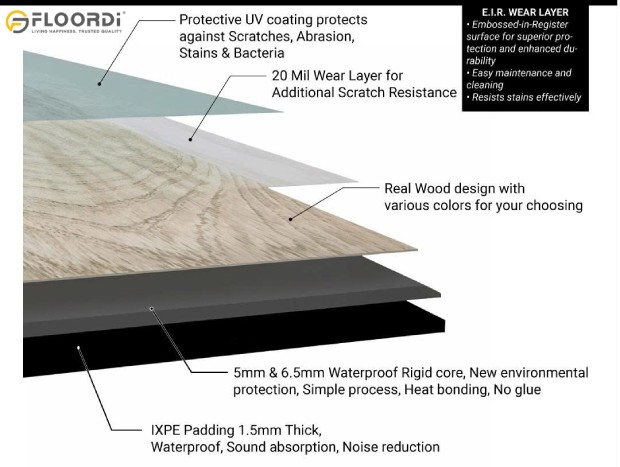
- UV Coating: This topmost layer provides a finished sheen (from matte to gloss) and acts as the first line of defense against fading from sunlight.
- Wear Layer: This is arguably the most important layer for durability. It's a transparent, robust coating that protects the printed design from scratches, scuffs, and stains. Its thickness, measured in mils (thousandths of an inch), is a key indicator of quality. A 20 mil wear layer is an excellent standard for busy homes and light commercial use.
- Decorative Vinyl Film: This is where the beauty comes from. Using high-definition printing, this layer realistically mimics the look of natural wood, stone, or tile. Premium products often feature Embossed-in-Register (EIR) technology, where the surface texture perfectly matches the visual grain, making it nearly indistinguishable from the real thing.
- SPC Rigid Core: The heart of the plank. This dense, stone-composite core provides the plank's dimensional stability and impact resistance. It will not expand, contract, or warp when exposed to temperature changes or moisture. This is what makes SPC flooring so incredibly tough.
- Attached Underlayment: Most high-quality SPC planks come with a pre-attached underlayment, often made of IXPE or EVA foam. This layer is crucial for adding underfoot comfort, absorbing sound, and providing a thermal barrier against cold subfloors.
2. SPC vs. WPC Flooring: What's the Real Difference?
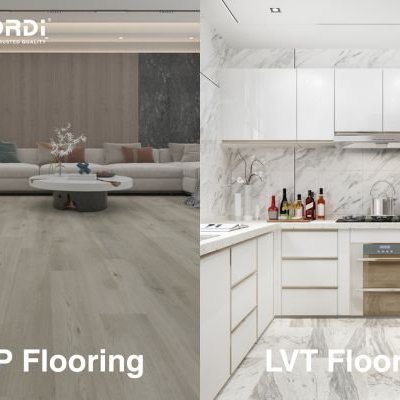
You'll often hear WPC (Wood Plastic Composite) mentioned alongside SPC. While both are waterproof vinyl options, their core difference lies in the core itself.
- SPC (Stone Plastic Composite): Has a solid, dense core made with limestone. This makes it incredibly durable and dent-resistant but also harder underfoot.
- WPC (Wood Plastic Composite): Has a core that includes a foaming agent, making it lighter, softer, and warmer underfoot. This added comfort comes at the cost of slightly lower dent resistance compared to SPC.
Choose SPC if: Your top priority is maximum durability for high-traffic or commercial areas.
Choose WPC if: Your top priority is underfoot comfort and sound insulation for spaces like bedrooms or family rooms.
3. The Pros and Cons of SPC Flooring: An Honest Review
No floor is perfect. A transparent look at the benefits and drawbacks is essential for making an informed decision.
The Advantages: Why Homeowners Love SPC
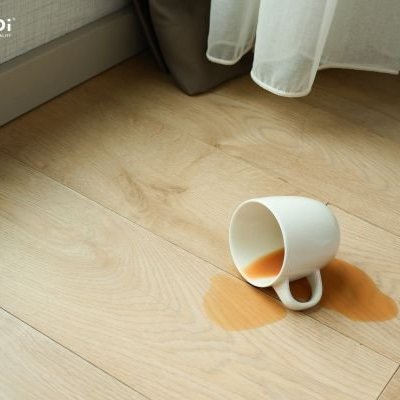
- 100% Waterproof: This is SPC's superpower. Spills, pet accidents, or moisture from a basement slab are no match for its impermeable core. You can install it with confidence in any room of the house.
- Extreme durability: The dense stone core makes SPC flooring highly resistant to dents from dropped items or heavy furniture. It's an ideal choice for busy households with kids and pets.
- Temperature & Sunlight stability: Unlike many other floors, SPC is highly resistant to expansion and contraction. It can be installed in areas with direct sunlight without warping or buckling.
- Easy to maintain: A simple routine of sweeping and occasional damp mopping is all that's needed. No waxing or polishing is ever required.
- Aesthetic versatility: With advanced printing technology, you can get the stunning look of hardwood or stone without the high cost and maintenance headaches.
The Limitations
While SPC vinyl plank flooring offers numerous advantages, it's important to be aware of certain limitations:
- Heat retention: Click-lock vinyl flooring, including SPC, exhibits poor heat absorption and dissipation. This can lead to an increase in room temperature, making indoor environments feel hot and uncomfortable during summer months.
- Moderate load-bearing capacity: Due to its relatively limited thickness, SPC flooring has only a moderate load-bearing capacity, making it less suitable for supporting very heavy objects or furniture.
- Not for outdoor use: SPC vinyl flooring is not recommended for outdoor installations. Direct exposure to sunlight and heat can cause the material to fade, become brittle, or deform over time.
4. How Much Does SPC Flooring Cost? (2026 Pricing)
To provide accurate figures, we refer to data from home improvement cost aggregators like Fixr.com, which analyze thousands of real-world projects. While prices vary based on your location and brand, these industry averages provide a reliable baseline for 2025.
- Material cost: Expect to pay between $3.50 to $8.00 per square foot for good quality SPC flooring. Premium options with thicker wear layers and advanced textures may be higher.
- Installation cost: Professional installation typically adds $1.50 to $3.00 per square foot.
- Total project cost: For a 200 sq. ft. room, the total installed cost can range from approximately $1,000 to $2,200.
Remember to factor in potential costs for subfloor leveling, which can add to the total project budget.
5. Where Does SPC Flooring Work Best in Your Home?
Thanks to its waterproof and durable nature, SPC is one of the most versatile flooring options available.
- Kitchens & Bathrooms: An absolute top choice. It handles spills and humidity without any risk of damage.
- Basements: The perfect solution for below-grade concrete slabs where moisture can be a constant concern.
- Entryways & Hallways: It stands up beautifully to the heavy foot traffic, dirt, and moisture tracked in from outside.
- Living rooms & Bedrooms: A great option, especially for open-concept homes, providing a seamless look.

6. A Glimpse Into Top SPC Flooring Brands
The SPC flooring market is vibrant, and choosing the right brand can be as important as choosing the right colour. Different brands focus on different strengths. At Floordi, our expertise lies in helping you understand these differences to find the perfect match for your home. Here’s a look at what some of the top brands are known for:
- Avolis (The Health & Safety Specialist): The core strength of brands like Avolis is a verified commitment to well-being. By achieving FloorScore® Certification, they guarantee their products meet strict indoor air quality standards, making them a top choice for health-conscious households.
- Shaw Floors & Mohawk (The Industry Leaders): Their strength is reliability and scale. These well-established brands offer extensive collections, consistent quality, and a strong focus on sustainable manufacturing practices.
- Provenza (The Style Innovator): Provenza's strength lies in design leadership. They are often praised for their unique, high-end styles that push creative boundaries, offering distinctive aesthetic choices for those looking to make a statement.
7. How To Install SPC Flooring: A Simplified Overview
While we always recommend professional installation for the best results, SPC's click-lock system makes it a popular choice for experienced DIYers.
- Acclimation: Let the planks sit in the installation room for at least 48 hours to adjust to the temperature and humidity.
- Subfloor preparation: Ensure the subfloor is clean, dry, and perfectly flat. This is the most crucial step.
- Installation: Start in a corner, using spacers to leave an expansion gap around the perimeter. Lock the planks together by angling and clicking them into place.
- Finishing: Remove the spacers and cover the expansion gap by installing baseboards or quarter-round molding.
Read more: Installation instruction of Luxury vinyl flooring (SPC) - PDF
8. Frequently Asked Questions (FAQs)
- Which is better, SPC or vinyl flooring?
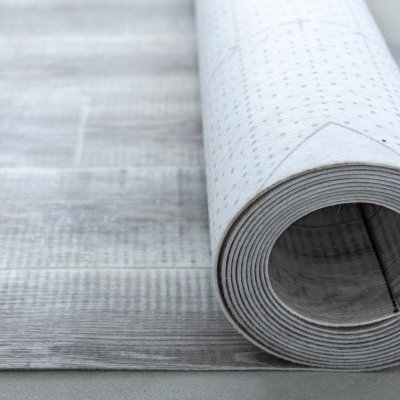
SPC is a type of vinyl flooring, specifically rigid core luxury vinyl. It's generally considered "better" than traditional flexible vinyl (LVT) because its rigid core offers far superior durability and dent resistance.
- Is SPC better than laminate?
For wet areas, yes, absolutely. SPC is 100% waterproof, while laminate's fiberboard core will swell and be ruined by water. For scratch resistance, high-end laminates can sometimes have a slight edge, but SPC is more resistant to dents and impacts.
- Does SPC flooring need an underlay?
Yes. An underlayment is crucial for comfort and sound reduction. While most quality SPC products have one attached, if yours doesn't, you must install one separately.
- What happens if water gets under SPC flooring?
The planks themselves won't be damaged. However, because the floor is impermeable, water trapped underneath cannot evaporate. This can lead to mold and mildew growth on the subfloor. It's important to clean up major spills and ensure the perimeter is sealed correctly.
9. The Verdict: Is SPC Flooring the Right Choice for Your Home?
SPC flooring represents a fantastic blend of design, durability, and peace of mind. Its waterproof nature and robust construction make it an ideal solution for almost any room in a modern, active home.
Choose SPC flooring if:
- You need a 100% waterproof solution for a kitchen, bathroom, or basement.
- Durability and dent resistance are your top priorities.
- You have kids, pets, or high-traffic areas.
- You are prepared to ensure your subfloor is perfectly level.
While it may not be the softest floor underfoot, its long-term performance and low-maintenance lifestyle make it a compelling and intelligent investment for years to come.