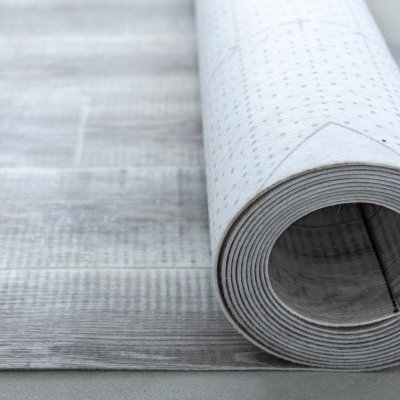
This guide explains the most effective ways to cut vinyl planks, which tools to use, and how to avoid damaging the material during installation.
Understanding Vinyl Plank Construction
Vinyl planks are made with several layers: a protective wear layer, a printed design layer, a rigid or flexible core, and a backing layer.
Most products feature click-lock tongue and groove systems, allowing for simple, glue-free installation. Because of their layered structure, cutting methods should be clean and controlled to avoid chipping or splintering the edges.
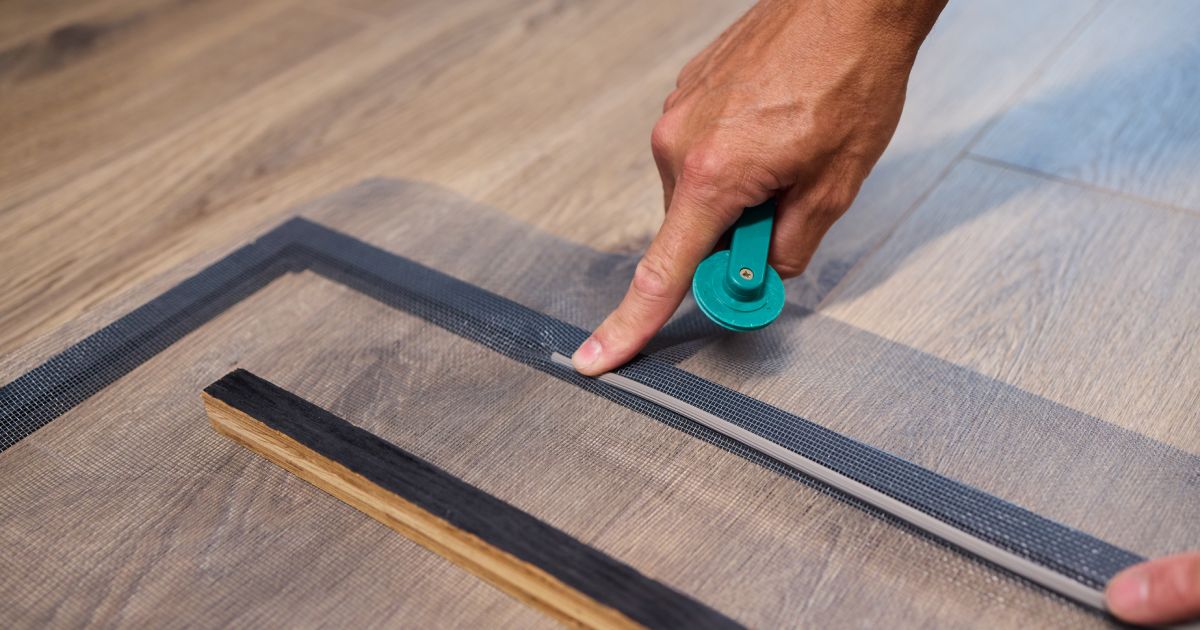
Choosing the Right Tool for Cutting Vinyl Plank
Different cutting tools can be used depending on the type of vinyl plank and the cut you need to make.
| Tool | Type of Cut | Ideal Use |
|---|---|---|
| Utility Knife | Straight cuts (score and snap) | Flexible LVP planks |
| Vinyl or Laminate Cutter | Straight cuts | Thick or rigid-core planks |
| Table Saw | Rip or crosscuts | Multiple boards, long sections |
| Miter Saw | Crosscuts, angle cuts | End joints, door trims |
| Jigsaw | Curved or detailed cuts | Around obstacles or vents |
| Circular Saw | Long rip cuts | SPC or thicker boards |
| Dremel Tool | Detail shaping | Tight or irregular spaces |
Each method works, but your choice depends on accuracy, speed, and the shape of the cut required.
Step-by-Step: How to Cut Vinyl Planks Correctly
1. Measure and Mark
Use a measuring tape and pencil to mark the exact cutting line. Always leave a small expansion gap (around 6 mm or 1/4 inch) near walls or fixed structures.
2. Score the Plank
For flexible vinyl, place the plank decorative side up. Use a utility knife and straightedge to score along the marked line several times with firm pressure.
Tip: A deep, even score makes snapping cleaner and prevents rough edges.
3. Snap or Cut Through
Hold the plank firmly and bend it back along the scored line until it snaps cleanly.
For rigid-core SPC or thicker LVP, use a vinyl cutter, circular saw, or jigsaw to finish the cut instead of snapping.
4. Make Curved or Detail Cuts
When trimming around door frames, pipes, or vents, use a jigsaw or Dremel tool.
Cut slowly and follow your markings closely to maintain a clean edge.
5. Check the Fit Before Installation
Dry-fit each cut piece before clicking it into place. Adjust if necessary with light trimming to ensure a tight, consistent fit.
Common Mistakes to Avoid
-
Using a dull blade that tears the surface layer
-
Cutting too shallow, resulting in uneven breaks
-
Forgetting expansion gaps near walls
-
Cutting from the back side instead of the top
-
Applying too much pressure when snapping rigid planks
Always cut with the decorative side facing up to reduce the risk of chipping.
Safety and Efficiency Tips
-
Replace knife or saw blades frequently for cleaner cuts.
-
When using a saw, select a fine-tooth blade for smoother edges.
-
Secure planks on a flat, stable surface before cutting.
-
Use painter’s tape on the cutting line to minimize surface chipping.
-
Always wear gloves and safety goggles when operating power tools.
Cutting vinyl plank flooring doesn’t require advanced equipment — just precision, patience, and the right tool for the job. Whether you use a simple utility knife for flexible planks or a vinyl cutter for rigid-core boards, a clean cut ensures a perfect fit and professional results.