When researching new floors, the term floating floor often causes confusion. Let's clarify: it's not a type of material, but a modern installation method. Essentially, a floating floor isn't attached to the subfloor. The planks lock together to create a single, stable surface that 'floats' on top.
This guide covers everything about this popular DIY-friendly method, from the best floating flooring materials to its pros, cons, and installation process.
Key Takeaways
- Major benefits: Highly cost-effective and DIY-friendly, which significantly cuts down on labor costs. Installation is fast and can often be done over existing hard floors.
- Suitable materials: Best for floors with stable cores and click-lock systems, such as Laminate, Luxury Vinyl Plank (LVP), and Engineered Wood.
- Critical requirement: A perfectly flat and clean subfloor is essential to ensure a durable, long-lasting installation where locking systems engage correctly.
- Underlayment is necessary: Using a quality underlayment is crucial for reducing noise, providing a solid feel, and acting as a moisture barrier.
What is A Floating Floor?
Think of a floating floor like a large, intricate puzzle. Each piece (a plank or tile) locks securely into the pieces around it. Once all the pieces are connected, they form a single, heavy mat that covers the entire room.
This is made possible by modern milling technology, most commonly a "click-lock" or "tongue-and-groove" system. Each plank has a unique profile on its edges that allows it to snap or slide into place with the adjoining plank, creating a tight, seamless connection.
Because the floor isn't fastened to the subfloor, it can expand and contract slightly as a single unit in response to changes in temperature and humidity, which is a natural behavior for many flooring materials.

Pros And Cons Of Floating Floors
This installation method has become incredibly popular for several key reasons, but it's important to understand its limitations as well.
Pros:
- Cost-effective: This is the biggest advantage. By eliminating the need for glue, nails, and often, professional labor, you can save a significant amount on installation costs.
- DIY-friendly: The click-lock mechanism is designed for simplicity, making it a perfect project for confident homeowners.
- Faster installation: Floating floors can be installed much more quickly than glue-down or nail-down methods.
- Install over existing floors: In many cases, a floating floor can be installed directly over an existing hard surface floor (like old tile or vinyl), saving the cost and mess of demolition.
- Easier repairs: If a plank gets damaged, it's much easier to unlock and replace it compared to a plank that's glued to the subfloor.
Cons:
- Can sound hollow: Because there's a space between the floor and the subfloor, some floating floors can produce a hollow or clicking sound when walked on. This can be greatly reduced with a quality underlayment.
- Requires a flat subfloor: This method is not forgiving of imperfections. The subfloor must be extremely flat and level to ensure the locking mechanisms engage properly and don't break over time.
- Not for all materials: This method is not suitable for materials that require extreme dimensional stability or are installed piece-by-piece, like solid hardwood or natural stone tile.
Cost Of Floating Floor
Understanding the cost of a floating floor involves looking at both materials and potential labor savings. To provide accurate figures, we've analyzed 2025 cost data from leading home improvement authorities like HomeGuide and HomeAdvisor.
Material cost: This varies widely depending on the type you choose.
- Laminate: $3 - $14 per sq. ft.
- Luxury vinyl (LVP): $2 - $16 per sq. ft.
- Engineered wood: $5 - $20 per sq. ft.
DIY savings: By installing the floor yourself, you can save an average of $2 to $5 per square foot in labor costs.
Please Note: These figures are estimates for project planning. Actual costs can vary based on your location, specific product choices, and the condition of your subfloor, which may require additional preparation.
Flooring Types That Can Be Installed As Floating Floors
Only certain types of flooring are engineered to be floated. These materials are constructed with the necessary core stability and locking systems to succeed with this method.
Laminate Flooring

Laminate is the original floating floor. Its rigid, high-density fiberboard (HDF) core and precision-milled click-lock system make it the perfect candidate. It's affordable, incredibly durable, and its installation is a classic DIY project.
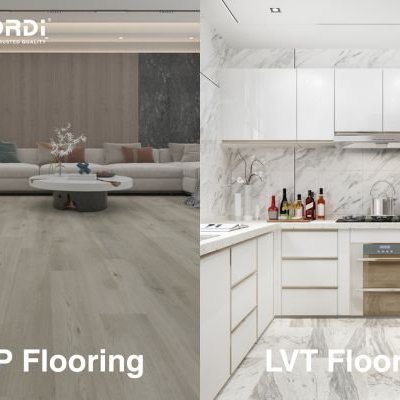
Luxury Vinyl Flooring (LVP)

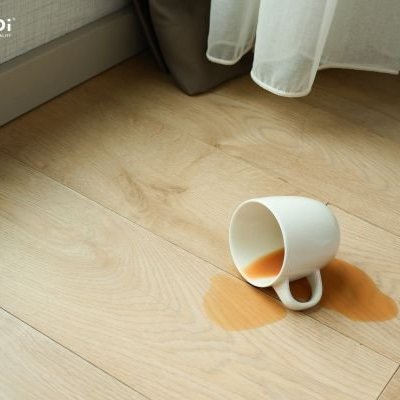
Modern LVP is a floating floor champion. Like laminate, it features an easy-to-use click-lock system. Its advantage is its rigid core and the fact that it's 100% waterproof. This makes it an ideal floating floor for areas where moisture is a concern, such as basements, kitchens, and bathrooms.
Engineered Wood Flooring

Unlike its solid counterpart, engineered wood is specifically designed to handle the expansion and contraction that comes with floating. Its layered construction, with a stable plywood or HDF core, prevents the planks from warping or buckling. This allows you to get the authentic look and feel of real wood with the ease and cost-effectiveness of a floating installation.
How To Install A Floating Floor (Overview)
While professional installation is always an option, understanding the process is key. Here are the essential steps for a successful floating floor installation.
- Subfloor preparation: This is the most critical step. The subfloor must be clean, dry, and perfectly flat. Any low spots should be filled with a leveling compound, and high spots should be sanded down.
- Acclimation: The flooring boxes must be brought into the room where they will be installed and left to sit for at least 48-72 hours. This allows the material to adjust to the room's specific temperature and humidity, preventing buckling or gapping after installation.
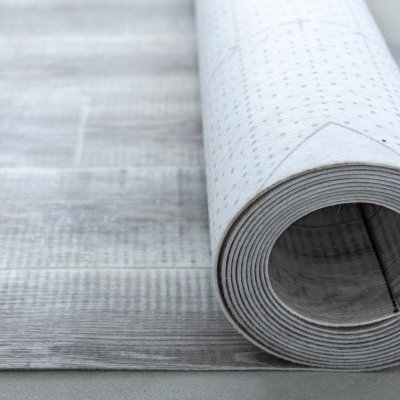
- Install underlayment: An underlayment (or underpad) is rolled out over the entire subfloor. This thin layer of foam or felt provides cushioning, absorbs sound, and can act as a moisture barrier.
- Plan the layout & First row: Start your first row along the longest, straightest wall. Careful planning ensures your final row isn't a tiny, difficult-to-cut sliver.
- Leave an expansion gap: You must leave a small gap (typically 1/4 to 3/8 inch) between the edge of the flooring and all walls and fixed objects (like cabinets or pipes). This gap allows the entire floor to expand and contract without buckling. It will be covered by baseboards later.
- Click and lock: Lay the planks, clicking them into place one by one. Use a tapping block and mallet to ensure a tight fit without damaging the locking system.
- Finishing touches: Once the floor is laid, install baseboards and/or quarter-round molding to cover the expansion gap. Use transition strips in doorways to connect to other flooring types.
Read more: Installation instruction of Floating floor (Luxury vinyl flooring) - PDF
Frequently Asked Questions (FAQ)
- Can you install a floating floor over the existing tile?
Yes, absolutely! This is a major benefit. As long as the existing tile floor is secure, in good condition, and flat, you can install a floating floor directly on top after cleaning it thoroughly.
- Do floating floors feel cheap or make a lot of noise?
A properly installed floating floor with a high-quality underlayment will feel solid and quiet. The "hollow" sound people worry about is almost always caused by a cheap, thin underlayment or an uneven subfloor.
- What is the best underlayment for a floating floor?
The best choice depends on your subfloor and needs. For concrete subfloors, a combination underlayment with a built-in vapor barrier is essential. For noise reduction, a thicker felt or cork underlayment is ideal.
- Can you glue down a floating floor?
No. You should never glue down a floor that is designed to be floated. Doing so will prevent the floor from expanding and contracting naturally, which can cause the planks to buckle, warp, or separate.
Is A Floating Floor Right For You?
The floating floor installation method has revolutionized the flooring industry, making beautiful, durable floors more accessible and affordable than ever. It's an excellent choice for DIYers, budget-conscious renovators, and anyone looking for a fast, versatile flooring solution.
By choosing a high-quality material like laminate, luxury vinyl, or engineered wood, you get the best of both worlds: a stunning, high-performance floor and a modern, efficient installation method.