When choosing new flooring, most people pay attention to the design and surface durability. Yet the underlayment beneath the floor is just as important. It affects comfort, noise control, moisture protection, and how well the floor performs over time. Two of the most common underlayments are EVA and IXPE. Although they look similar, their performance differs significantly.
Why Flooring Needs Underlayment?
A proper underlayment (IXPE or EVA) provides essential support for flooring systems:
-
Comfort: Adds cushioning to reduce strain on feet and joints.
-
Sound insulation: Absorbs impact noise and reduces sound transfer between floors.
-
Moisture protection: Prevents dampness from affecting flooring materials.
-
Durability: Helps maintain the stability of locking systems and prolongs the floor’s lifespan.
Without it, even the highest-quality floor can feel hollow, sound noisy, and wear out prematurely.
What is EVA Underlayment?
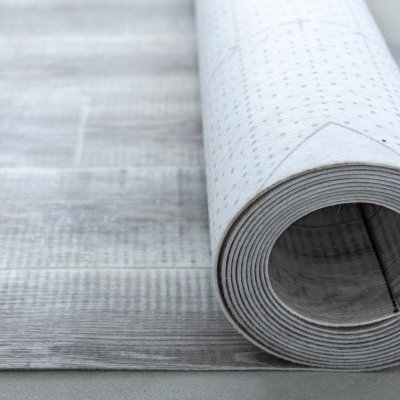
EVA (Ethylene-Vinyl Acetate) is widely used in cost-effective flooring systems commonly used in SPC flooring. Its popularity comes from being affordable, lightweight, and easy to install. EVA offers soft cushioning and moderate sound absorption, making it suitable for budget-driven projects or rooms with lighter use.
Over time, however, EVA tends to compress and can absorb moisture in humid conditions. This reduces its resilience and compromises flooring stability.
Pros and Cons of EVA
-
Pros: Affordable, soft underfoot, easy installation.
-
Cons: Limited durability, weaker moisture protection, less effective acoustics.

What is IXPE Underlayment?
IXPE (Irradiated Cross-Linked Polyethylene) is considered a premium choice. Produced with cross-linking technology, IXPE has a closed-cell structure that prevents water absorption and mold growth. It also delivers high-level acoustic performance, often meeting building standards for sound insulation.
IXPE maintains resilience over time, supports healthier indoor air quality, and offers consistent comfort. The main drawback is its higher upfront cost, but this is offset by longer service life and better performance.
Pros and Cons of IXPE
-
Pros: Durable, waterproof, excellent acoustic insulation, eco-friendly and odor-free.
-
Cons: Higher initial cost.

IXPE vs. EVA: Comparison
| Feature | IXPE | EVA |
|---|---|---|
| Durability | Long-lasting resilience | May compress over time |
| Moisture Resistance | Waterproof, mold-resistant | Susceptible to moisture |
| Acoustic Performance | Superior ratings (IIC/STC) | Basic sound reduction |
| Comfort | Balanced softness and support | Soft feel, less stable long-term |
| Indoor Health | Odor-free, non-toxic | May release slight odor initially |
| Cost | Higher, premium option | Lower, budget-friendly |
Technical Data Sheet Comparison
Floordi underlayments are tested according to international standards. The following table compares EVA and IXPE options:
| CATEGORY | SPECIFICATION | UNIT | STANDARD | FLOORDI UNDERLAY | |||
| General Specification | Type: | EVA20 | EVA30 | 30IXPE 20-AF | 30IXPE 30-AF | ||
| Material | EVA | EVA | IXPE | IXPE | |||
| Thickness | mm | EN823 | 2 | 3 | 2 | 3 | |
| Length | m | EN822 | 16.9 | 16.9 | 16.9 | 16.9 | |
| Width | m | EN822 | 1.1 | 1.1 | 1.1 | 1.1 | |
| Roll Size | sqft/roll | sqft/roll | 200 | 200 | 200 | 200 | |
| Technical Specification | Impact Sound Reduction | Db | EN ISO10140 | 17 | 18 | - | - |
| IIC Rating | ASTM E492-09 | 60 | 72 | 63 | 78 | ||
| STC Rating | ASTM E90-09 | 65 | 73 | 64 | 77 | ||
| Compression strength(CS) | kpa | EN826 | 105 | 105 | 90 | 95 | |
| Density (kg/m³) | kg/m2 | 100-110 | 100-110 | 33 | 33 | ||
| Thermal Conductvity | w/(m·k) | EN12667 | 0.043 | 0.041 | 0.048 | 0.43 | |
| Punctual conformability (PC) | mm | EN 16354 | 1.6 | 2.6 | 1.6 | 2.6 | |
What this means in practice:
-
IXPE 3 mm shows superior sound ratings (IIC 78, STC 77), ideal for apartments and multi-family projects.
-
EVA has slightly higher compression strength but loses performance more quickly.
-
IXPE’s closed-cell structure ensures waterproofing and mold resistance, which is not reflected directly in numbers but is critical in real-world conditions.
Canadian Market: IIC Requirements & Expectations
In Canada, acoustic performance for flooring is shaped by both building codes and real-world expectations.
According to the National Building Code of Canada (NBCC),a minimum lab-tested IIC of 50 is required for demising floors in multi-family dwellings, although many projects aim for 55–60 to minimize occupant complaints.
Acoustic engineers at BKL emphasize that IIC below 60 is inadequate, 60–70 is marginal, and only ratings above 70 are considered acceptable for multi-family housing. Similarly, SLR Consulting recommends IIC ≥ 55 as best practice, reflecting growing market expectations even if not yet legally mandated.
From a practical standpoint, industry reports from Dryco and multiple condo boards show that simply meeting the code minimum often results in noise complaints. Many Canadian condominium corporations now require FIIC ≥ 70 (field-tested IIC) before approving flooring renovations. Publications such as Coverings Canada highlight this trend, noting that FIIC 70 has become a de facto standard for condo projects.
Recommended Benchmark for Projects
-
Minimum compliance: Aim for IIC 55 (NBCC recommendation) to meet basic standard and reduce complaints.
-
Better practice: Aim for IIC 60-65 to align with evolving residential comfort expectations.
-
Optimal standard for condos/apartments: IIC ≥ 70 (field-tested) as recommended by acoustic consultants and accepted by condo corporations.

Compatibility with Flooring Types
Choosing the right underlayment also depends on the type of flooring:
-
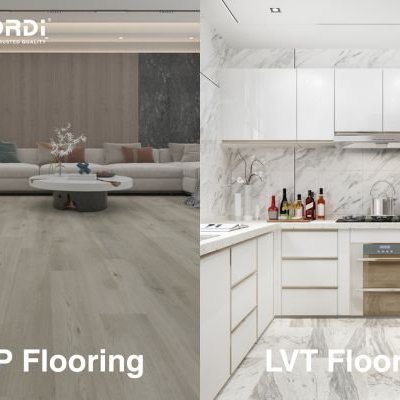
SPC and Vinyl Plank (LVP/LVT): Both EVA and IXPE are common. EVA is often used in entry-level SPC floors, while IXPE is preferred in premium lines because it offers better acoustic ratings and long-term resilience.
-
Laminate Flooring: IXPE is the recommended choice. It improves stability, cushions the floor, and significantly reduces sound transmission, which is critical in condos and multi-family housing.
-
-
For floating installations (click-lock), an underlayment is required. IXPE or high-density foam underlayments provide comfort, noise reduction, and a moisture barrier, making them more suitable than EVA.
-
For glue-down installations, a separate foam underlayment is generally not used; the adhesive itself provides stability. In Canadian condos, however, acoustical cork or rubber underlayment may be installed beneath glued engineered wood to meet IIC requirements.
-
For nail- or staple-down installations, underlayment pads like EVA or IXPE are not appropriate. Instead, felt or rosin paper is used to reduce squeaks and provide a minimal moisture retarder.
-
-
Solid Hardwood: Typically nailed or stapled directly to a wooden subfloor. Underlayments such as foam are not recommended; instead, building paper, felt, or specialized cork is used.
Which One is Right for You?
-
EVA works for budget-sensitive or temporary projects, especially entry-level SPC or vinyl plank floors in light-traffic areas. It offers basic cushioning but usually falls short of the higher IIC 70+ ratings required in Canadian condos and multi-family housing.
-
IXPE is the better choice for long-term use. With IIC values up to 78, it meets acoustic standards in condos and apartments, while also providing moisture resistance and durability. It is ideal for laminate floors and floating engineered hardwood over concrete, where sound control and stability matter most.
In short: EVA is economical for short-term needs, while IXPE is the premium solution that ensures compliance, comfort, and long-term value in Canadian residential and commercial projects.
Floordi’s Recommendation
At Floordi Canada, our experience shows that IXPE underlayment consistently outperforms EVA in comfort, sound insulation, and long-term protection. For projects where budget is the main concern, EVA can be acceptable. But for homeowners, contractors, and developers seeking lasting quality and compliance with acoustic or moisture standards, IXPE remains the smarter investment.
Ready to explore flooring options with IXPE underlayment? Contact Floordi Canada today.